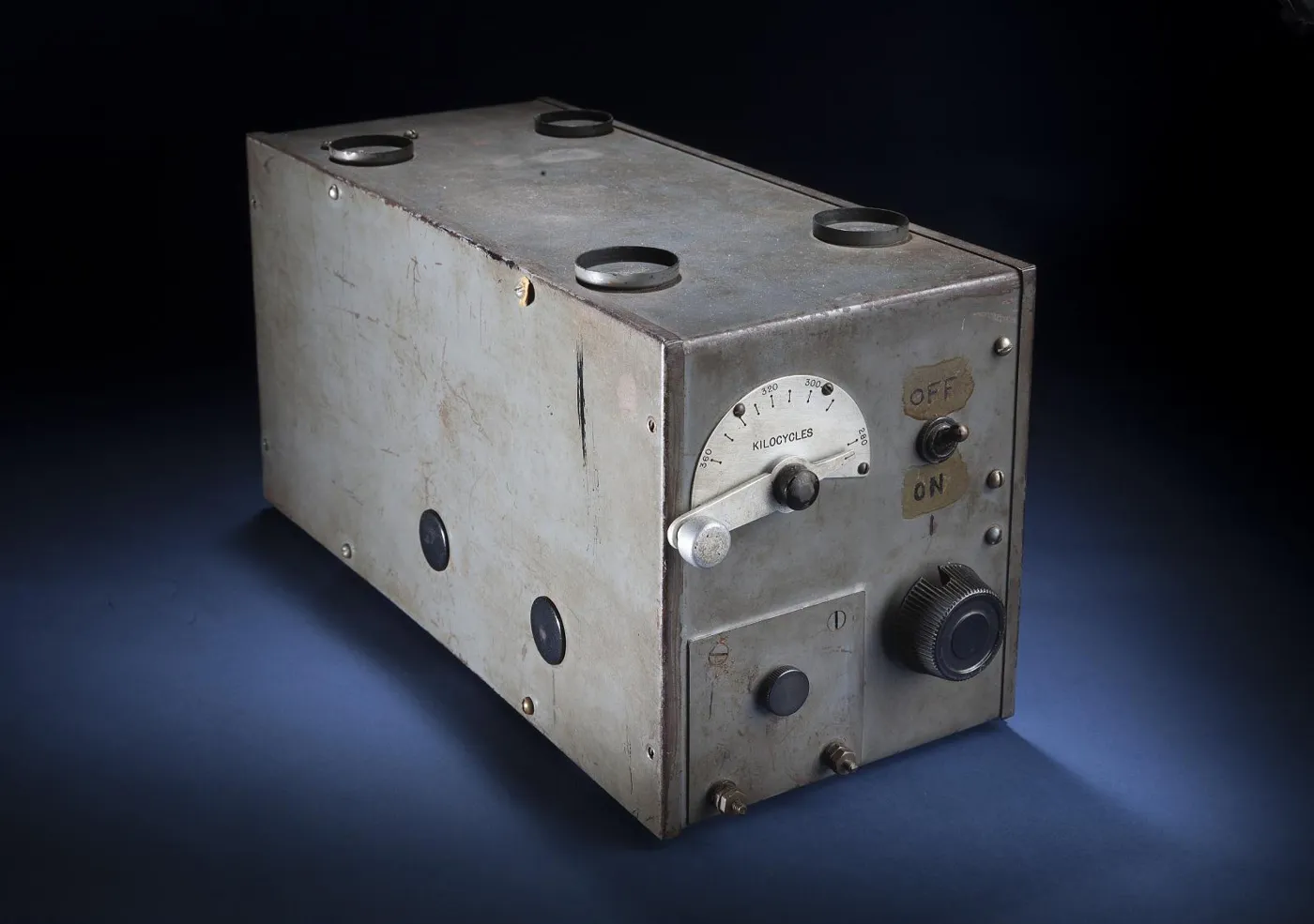
Receiver, Radio Range, ARC, Lab Prototype, Model B
A radio receiver whose vibrating reed signaled whether a pilot was on the radio beam, so the pilot could fly blind through fog.
- Date
- 1929
- Maker
- Aircraft Radio Corp.
- Place
- United States of America
- Materials
- Steel, Paint, Plastic, Phenolic Resin, Aluminum
- Dimensions
- 3-D: 15.2 x 39.4 x 19.1cm, 5.1kg (6 x 15 1/2 x 7 1/2 in., 11 3/16lb.)
- Museum
- National Air and Space Museum
- Credit line
- Gift of Cessna Aircraft Company
Jimmy Doolittle used this radio receiver to “fly the beam,” which was a radio signal that actuated a vibrating reed to indicate if he was on course. The American Radio Corporation built the device in 1929.
The museum's own record (Smithsonian, National Air and Space Museum)
Also answering “Where am I?” see all
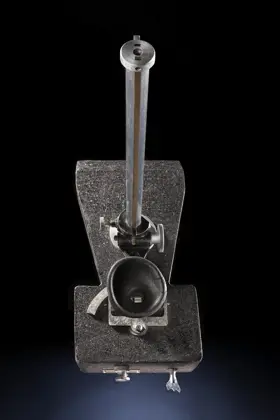 Sight, Drift & Ground Speed, Gatty
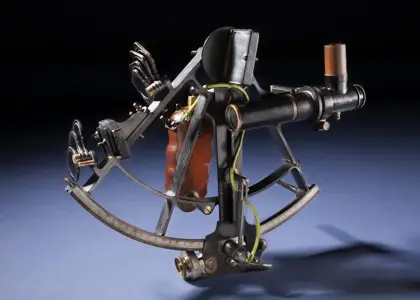 Sextant, Brandis, with Willson Bubble Telescope, Early
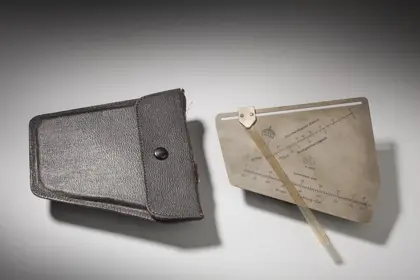 Plotter, Drift
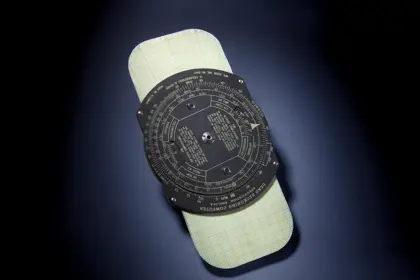 Dead Reckoning, E-6B, Prototype
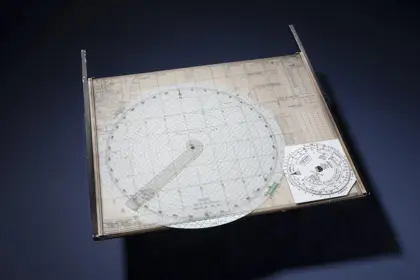 Plotting Board, Navy, Mark 3A
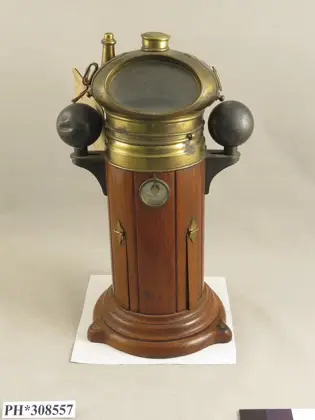 Dry Card Compass with Binnacle
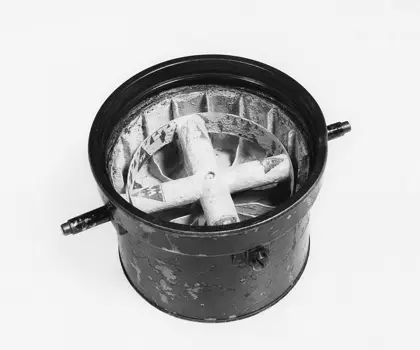 Liquid Compass
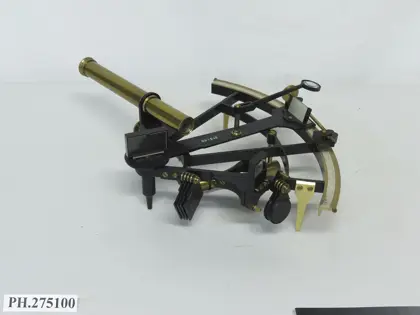 Sextant
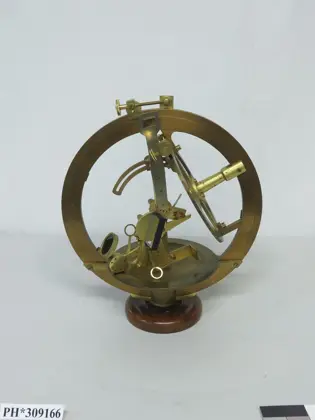 Equatorial Sextant
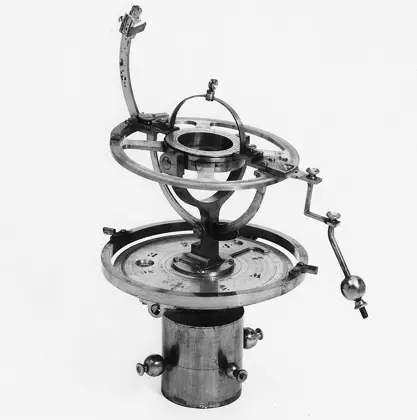 Solar Compass
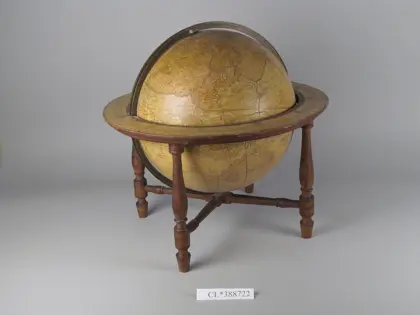 James Wilson's Terrestrial Globe, 1811
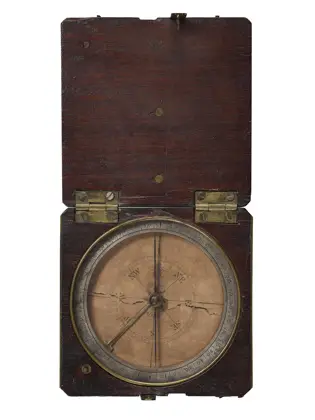 Pocket compass from the Lewis and Clark Expedition, 1804-1806