Trails
Short routes through the collection, each one following a single thread.
Calculating before computers
Before electronic calculators, people built machines to add and multiply. This trail runs from Thomas's arithmometer through American patent models of the 1850s to 1870s, to Odhner's arithmometer and a slide rule from 1962.
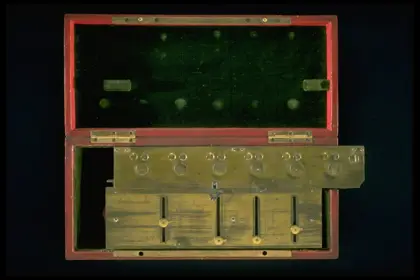 Thomas ArithmometerParis, 1820
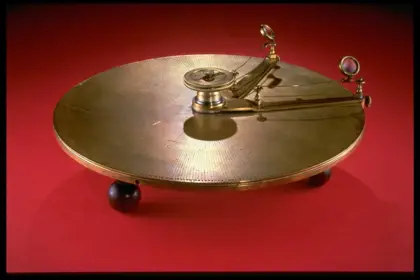 Patent Model for Circular Slide Rule Invented by John W. NystromPhiladelphia, 1851
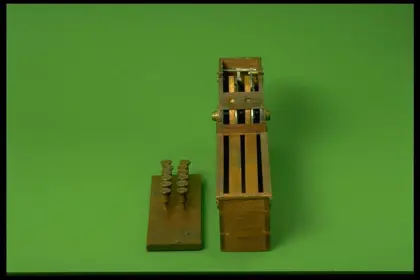 Hill ArithmometerWaltham, 1857
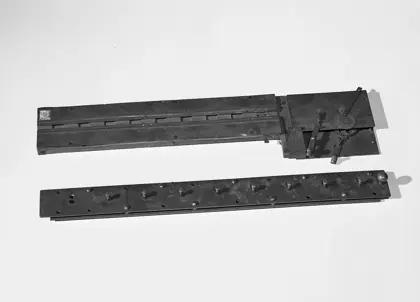 Barbour Calculating Machine ModelBoston, 1872
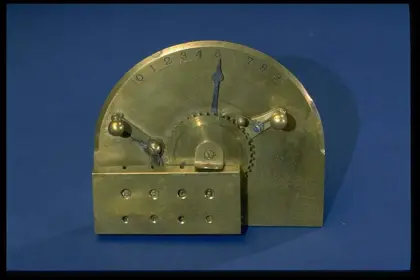 Baldwin ArithmometerPhiladelphia, 1874
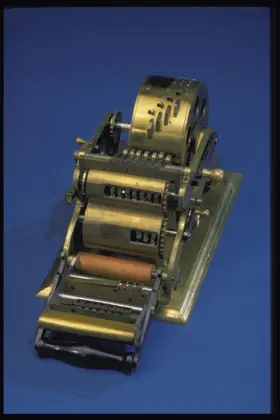 Baldwin Calculating EngineSt. Louis, 1875
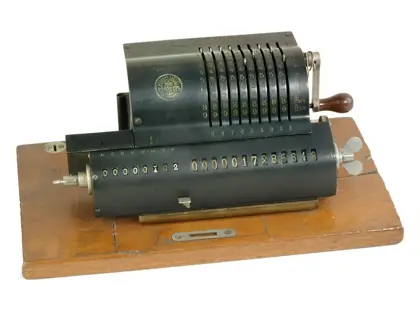 Odhner ArithmometerSt. Petersburg, 1896
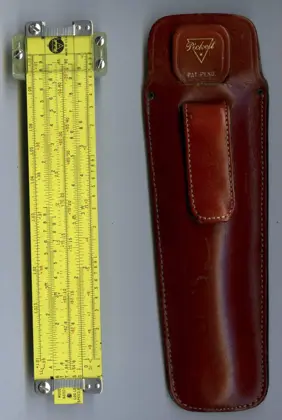 Pickett N600-ES Log Log Duplex Slide RuleChicago, 1962
Finding your way
Surveyors laid out land and navigators crossed oceans with instruments like these. The trail includes a compass by David Rittenhouse, a pocket compass carried on the Lewis and Clark Expedition, and three compasses from the Gurley firm of Troy, New York.
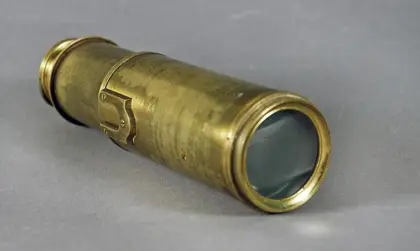 Spy GlassLondon, about 1775
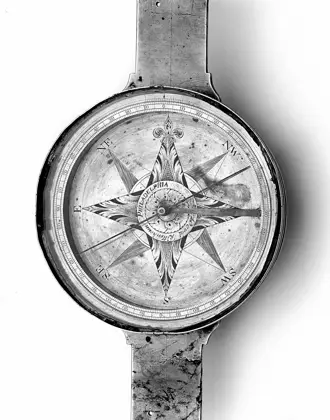 Surveyor's Vernier CompassPhiladelphia, 1785
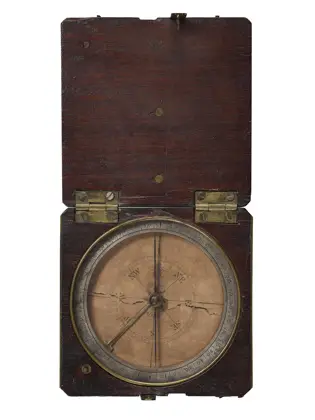 Pocket compass from the Lewis and Clark Expedition, 1804-1806Lewis and Clark, 1804
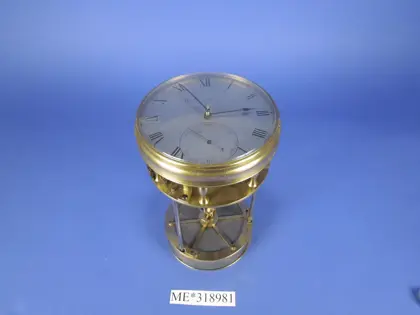 Bond Marine ChronometerBoston, 1812
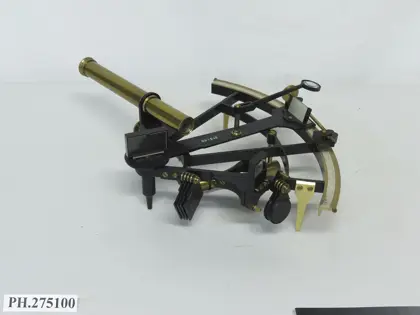 SextantNew York City, 1856
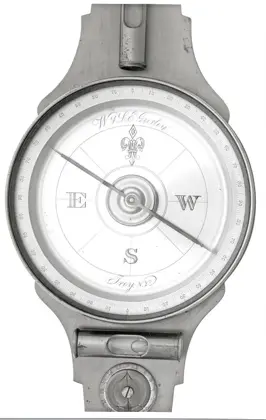 Surveyor's CompassTroy, New York
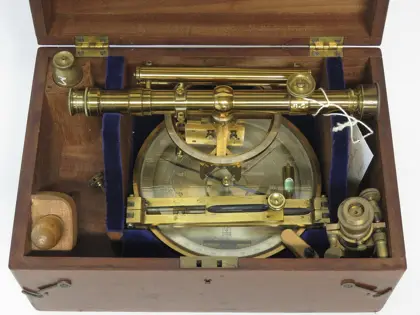 Vernier Compass with TelescopeTroy, New York
Reading the sky
By measuring the height of one star and knowing the latitude, an astrolabe's user could find the time of night and the positions of other stars. These were made between about 1475 and 1780, in Europe, Persia, and the Indian subcontinent.
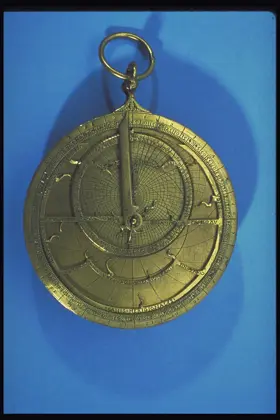 Italian Planispheric AstrolabeItaly, about 1475
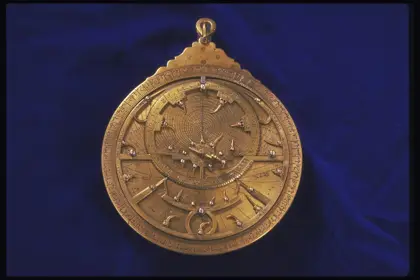 Planispheric Astrolabe Engraved with Arabic Script1504
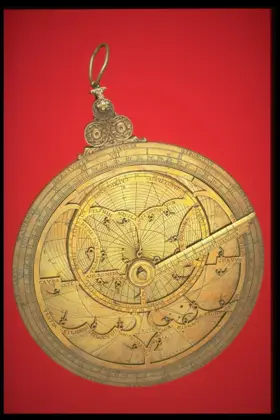 Hartman's Planispheric AstrolabeNuremberg, 1537
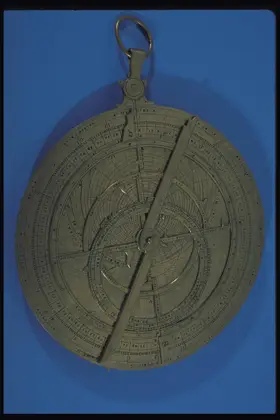 French Planispheric AstrolabeFrance, 1548
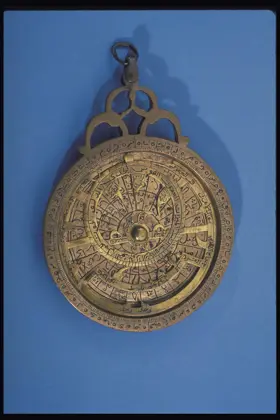 Persian Planispheric AstrolabePersia, 1611
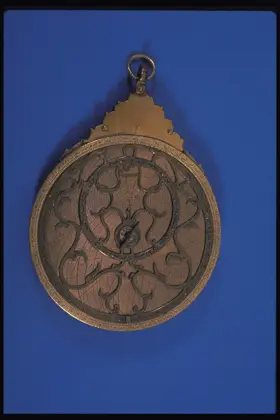 Indo-Persian Planispheric AstrolabeLahore, 1643
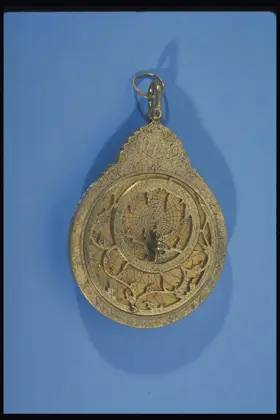 Persian Planispheric AstrolabeIsfahan, 1715
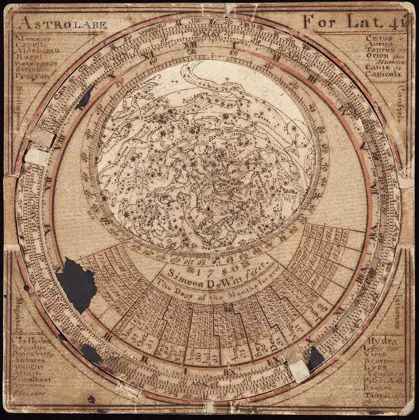 Celestial Planisphere Called Astrolabe for Latitude 41Simeon De Witt, 1780
Paris and the science of light
This trail follows four Paris makers of optical instruments: Lerebours, Soleil, Duboscq, and Koenig.
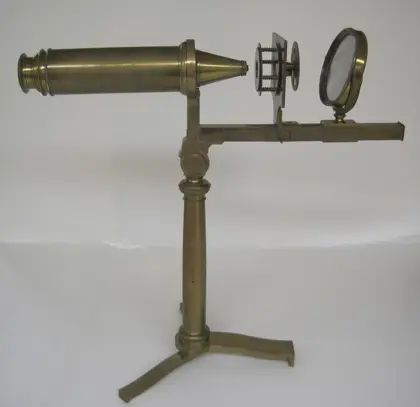 Microscope, LereboursLerebours, 1829
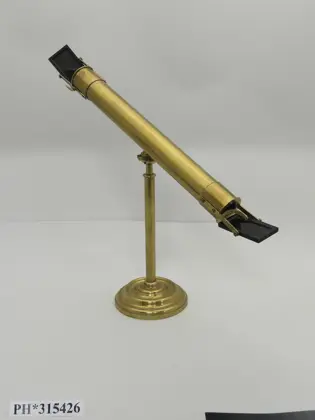 PolariscopeLerebours, 1830
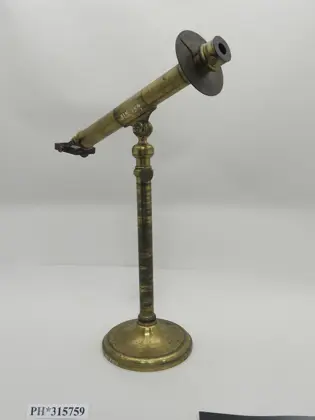 PolariscopeSoleil, 1834
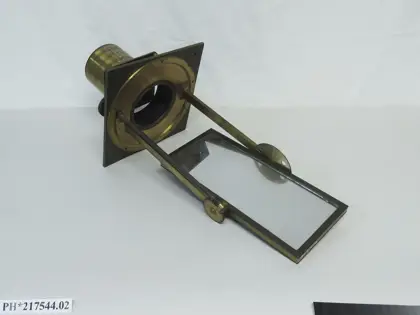 Solar MicroscopeSoleil, 1840
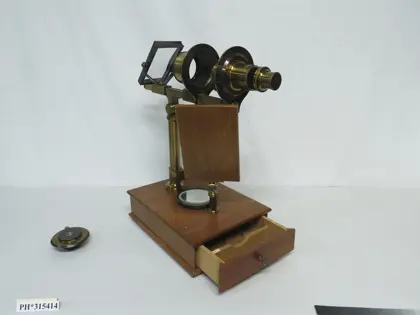 Projection PolariscopeDuboscq, 1880
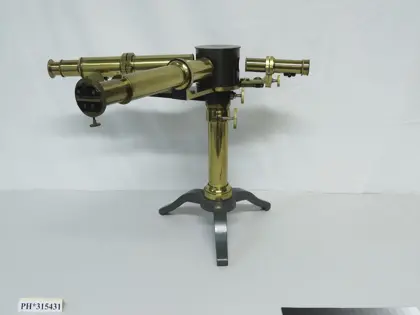 SpectroscopeDuboscq
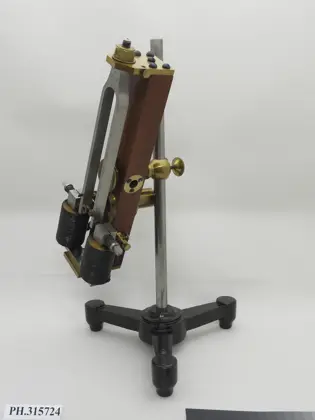 Vibration MicroscopeRudolph Koenig
Finding the way in the air
Early pilots and navigators measured drift, ground speed, and time to work out their position. This trail runs from a 1918 drift plotter to the E-6B flight computer of 1942.
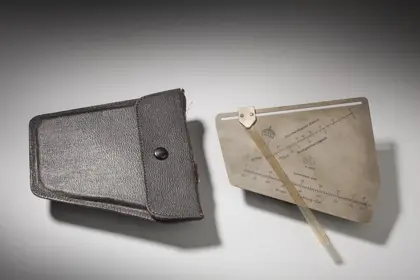 Plotter, DriftDrift plotter, 1918
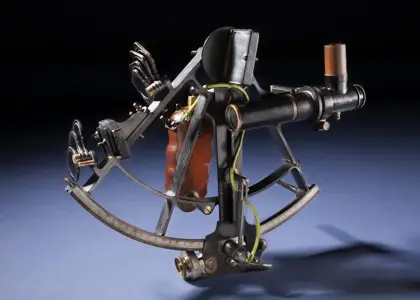 Sextant, Brandis, with Willson Bubble Telescope, EarlyBubble sextant, 1919
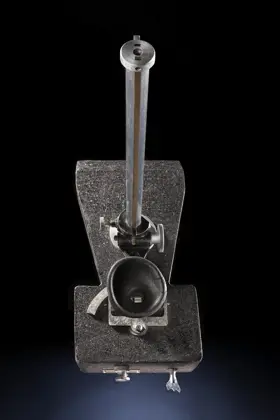 Sight, Drift & Ground Speed, GattyGatty drift and ground speed sight, 1931
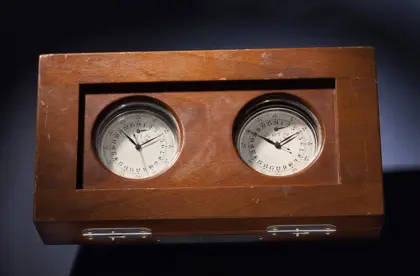 Watches, Army Air Corps, Avigation [Air Navigation], A-6Navigation watches, 1934
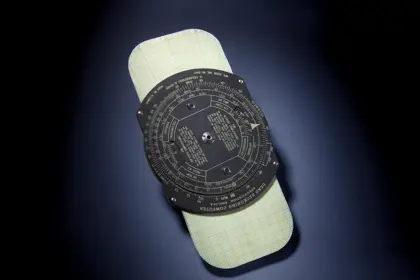 Dead Reckoning, E-6B, PrototypeE-6B prototype, 1942