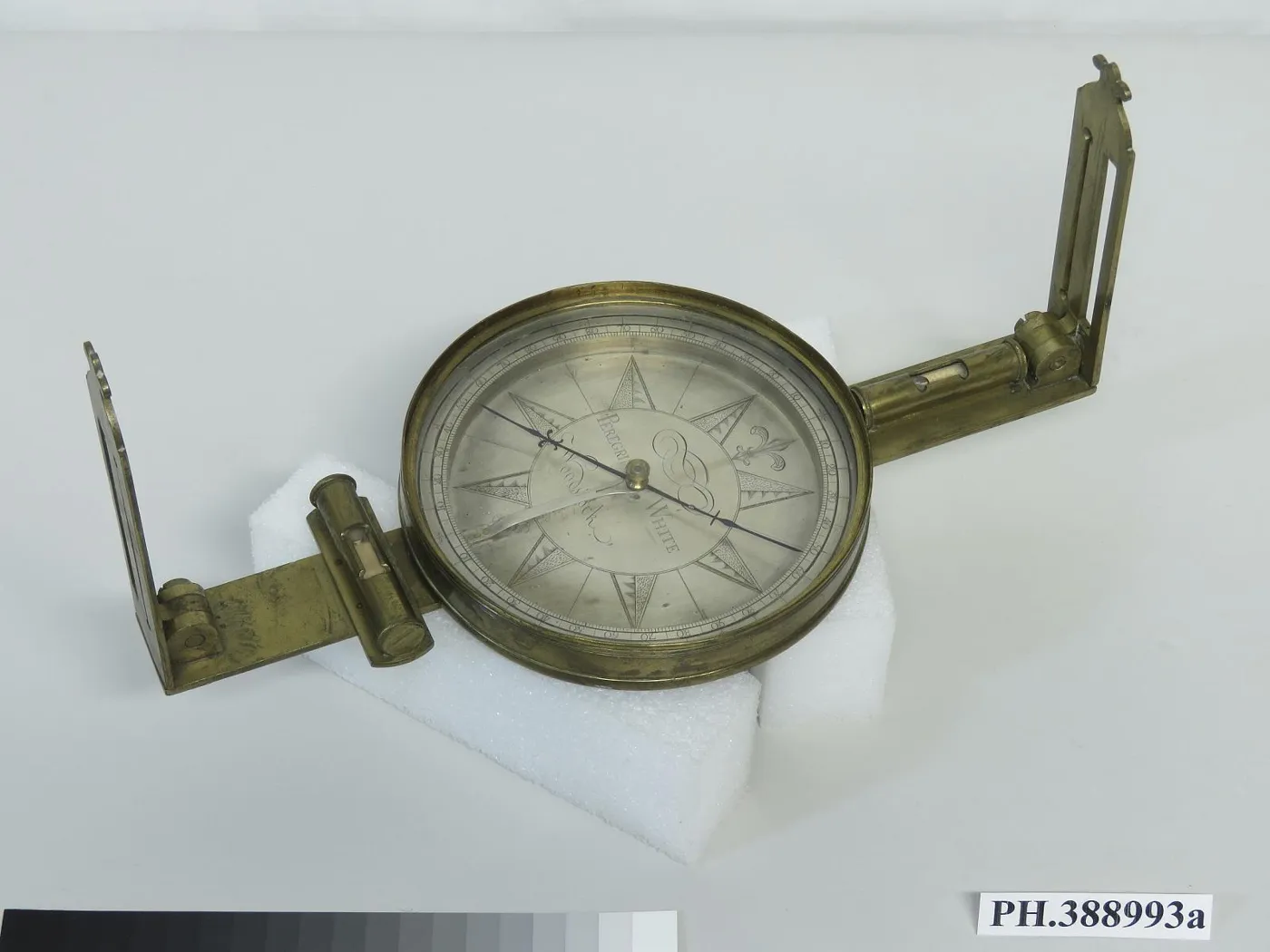
Surveyor's Compass
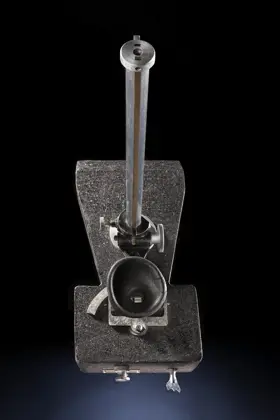
Its magnetic needle pointed north, and folding sights let a surveyor measure the direction of property lines.
- Maker
- Peregrine White
- Place
- United States: Connecticut, Woodstock
- Dimensions
- overall length: 12 3/8 in; 31.4325 cm; needle: 4 1/2 in; 11.43 cm; overall: 6 7/8 in x 12 3/8 in x 5 7/8 in; 17.4625 cm x 31.4325 cm x 14.9225 cm
- Museum
- National Museum of American History
- Credit line
- Dr. and Mrs. Arthur M. Greenwood
Peregrine White (1747–1834), a namesake and direct descendant of the first European child born in Cape Cod Harbor in 1620, was a clockmaker in Woodstock, Connecticut. This surveyor's compass probably dates from around 1800. Like the Lamb compass in the collection, the vertical sights fold down when not in use. Like the Harland compass, this one has no direction letters and so can be read either clockwise or counterclockwise. There is a level vial on each arm. The face is inscribed "PEREGRINE WHITE Woodstock."
Ref: Silvio A. Bedini, Early American Scientific Instruments and Their Makers (Washington, D.C., 1964), pp. 47–48.
The museum's own record (Smithsonian, National Museum of American History)
Also answering “Where am I?” see all
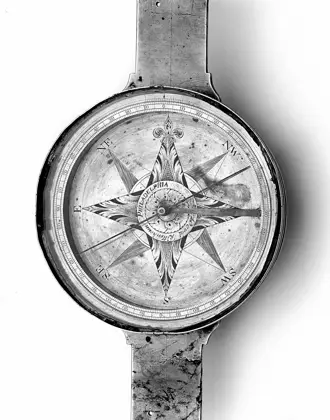 Surveyor's Vernier Compass
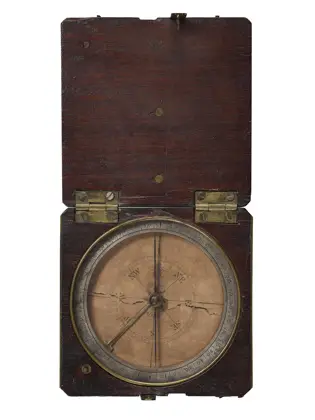 Pocket compass from the Lewis and Clark Expedition, 1804-1806
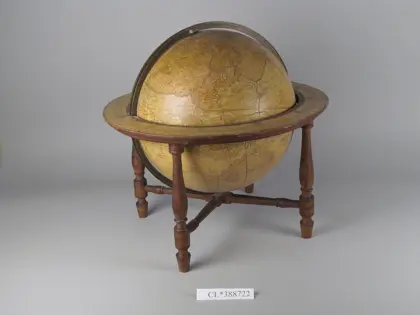 James Wilson's Terrestrial Globe, 1811
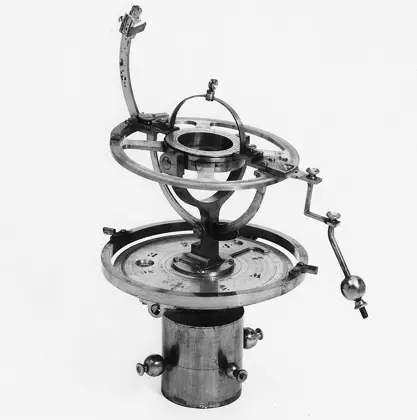 Solar Compass
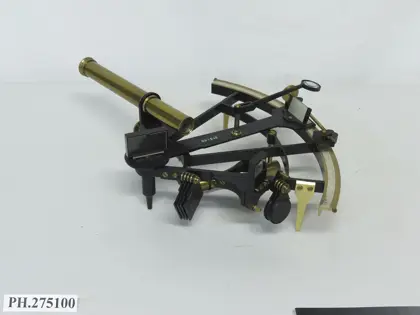 Sextant
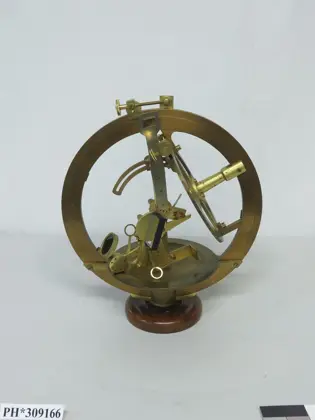 Equatorial Sextant
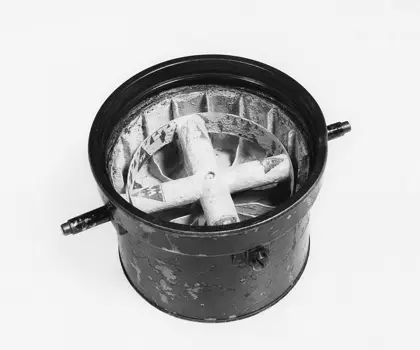 Liquid Compass
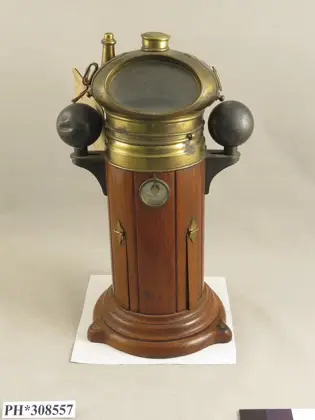 Dry Card Compass with Binnacle
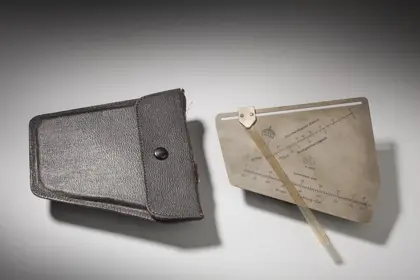 Plotter, Drift
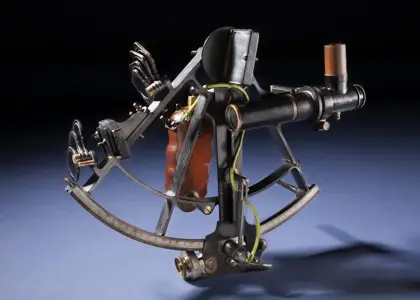 Sextant, Brandis, with Willson Bubble Telescope, Early
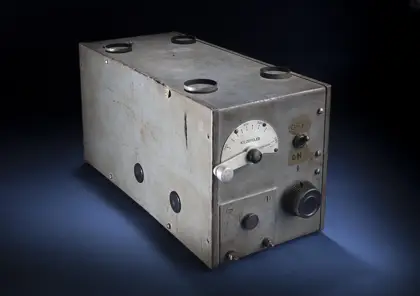 Receiver, Radio Range, ARC, Lab Prototype, Model B
 Sight, Drift & Ground Speed, Gatty