Seven centuries of scientific instruments, searchable and connected.
One hundred and eleven instruments from the Smithsonian's open-access collections, from an English astrolabe made between about 1300 and 1450 to a Civil Defense radiation calculator from 1963. Start with a question, play the mystery object game, work a slide rule or an astrolabe yourself, or follow a trail. Every object links to the museum's own record.
Start with a question
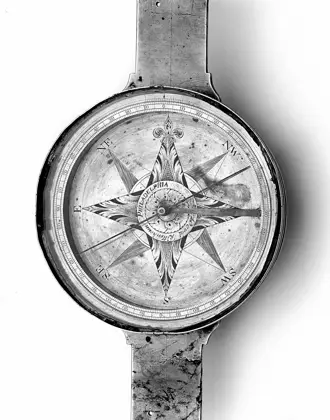 Where am I?Compasses, sextants, and surveying instruments. 20 instruments
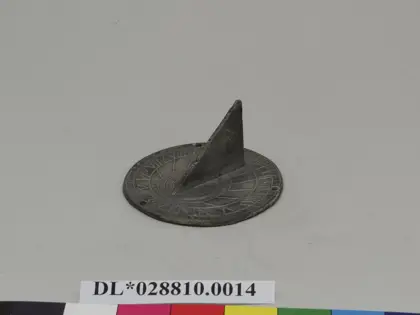 What time is it?Sundials and chronometers. 8 instruments
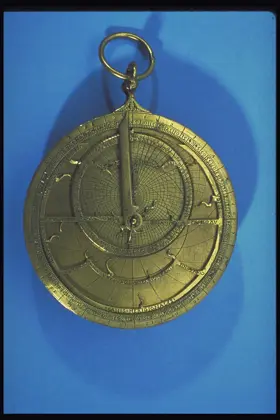 Where are the stars?Astrolabes and star finders. 17 instruments
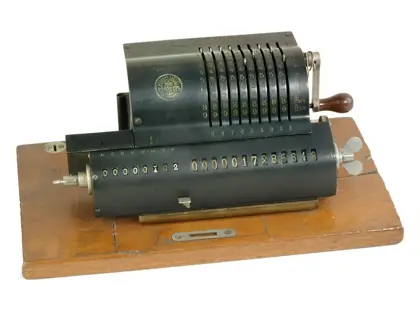 How much?Slide rules, calculating machines, and balances. 31 instruments
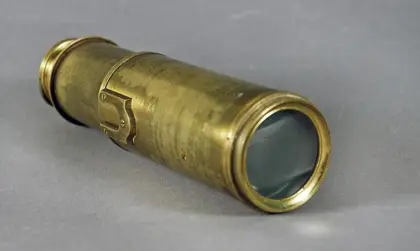 What can't the eye see?Microscopes and instruments for light. 22 instruments
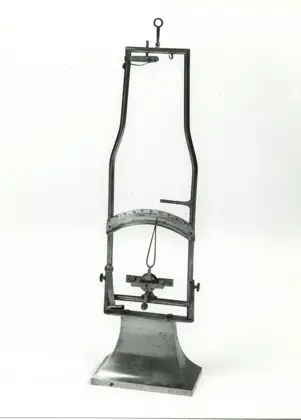 What is the weather doing?Barometers, thermometers, and hygrometers. 4 instruments
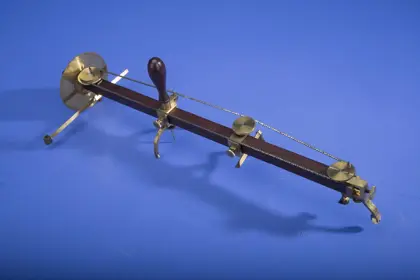 How do I draw it?Pantographs and drawing instruments. 4 instruments
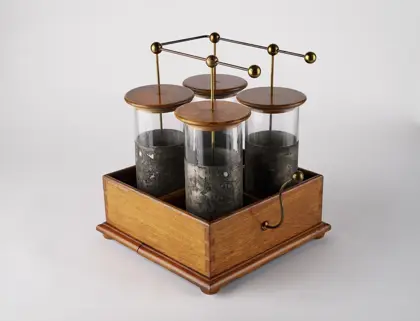 What is the electricity doing?Meters and electrical instruments. 5 instruments
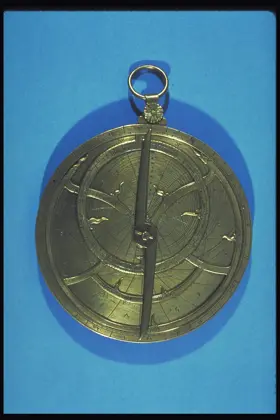 English Planispheric Astrolabeabout 1300-1450
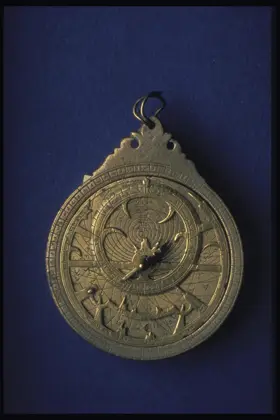 Persian Planispheric Astrolabe1372-1373
Italian Planispheric Astrolabeabout 1475
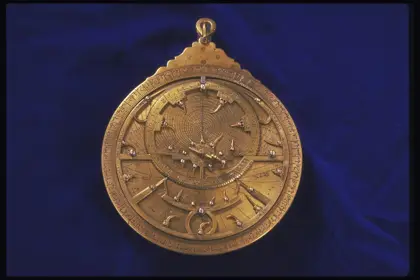 Planispheric Astrolabe Engraved with Arabic Script1504
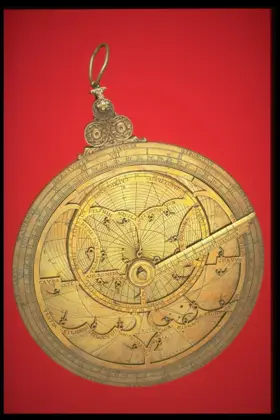 Hartman's Planispheric Astrolabe1537 · Nuremberg
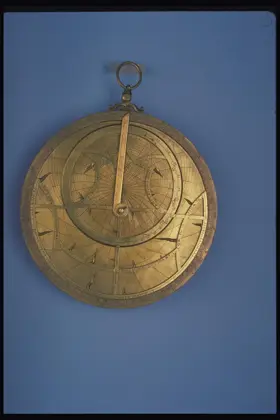 European Planispheric Astrolabe1542
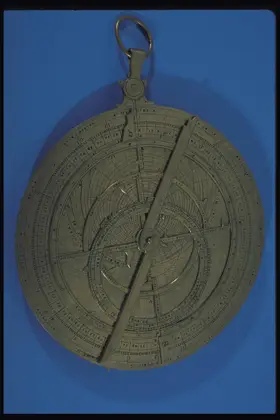 French Planispheric Astrolabe1548
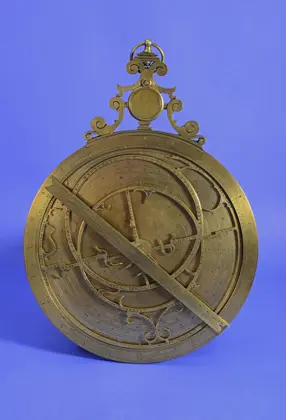 Planispheric Astrolabe Similar in Style to Those of Egnazio Dantiabout 1580
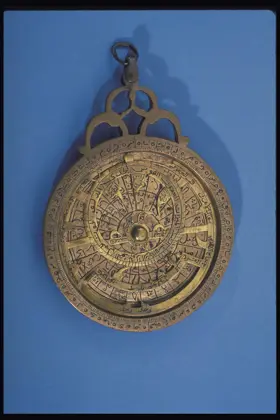 Persian Planispheric Astrolabe1611
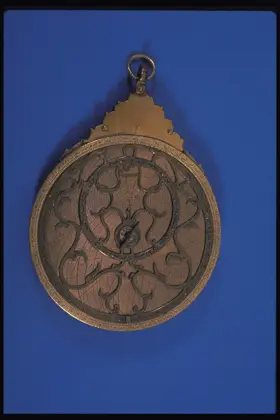 Indo-Persian Planispheric Astrolabe1643 · Lahore
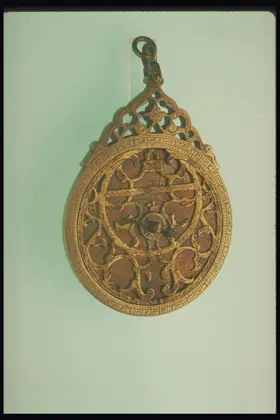 Indo-Persian Planispheric Astrolabe1659 · Lahore
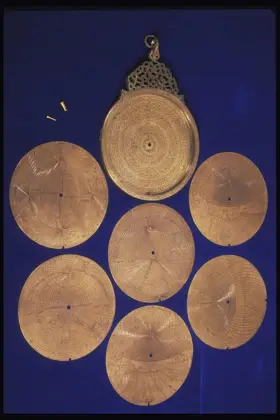 Persian Planispheric Astrolabeabout 1682
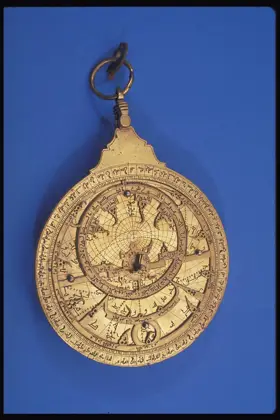 Planispheric Astrolabe from Muslim Spain1691
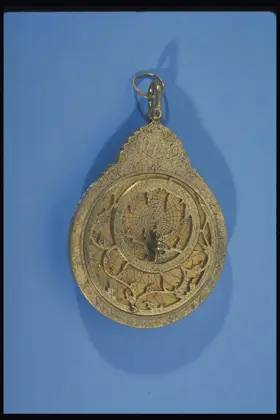 Persian Planispheric Astrolabeabout 1715 · Eşfahān
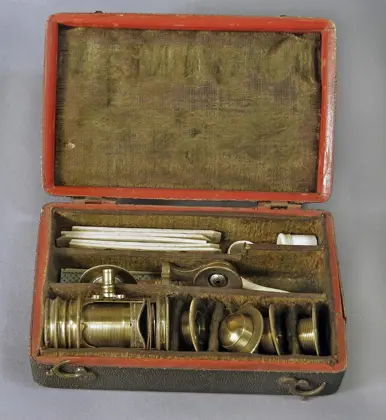 Microscope1730-1760
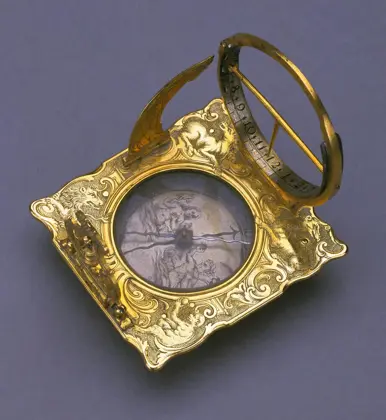 Portable Equatorial1748
Sundialabout 1750 · New England
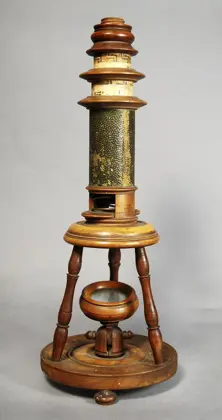 Microscopeafter 1750 · Nuremberg
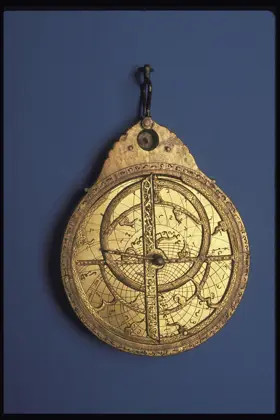 Persian Planispheric Astrolabe1775
Spy Glass1775-1800 · London
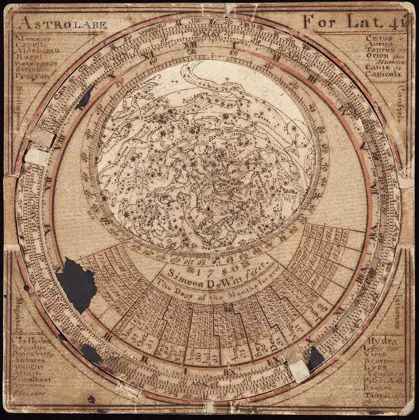 Celestial Planisphere Called Astrolabe for Latitude 411780
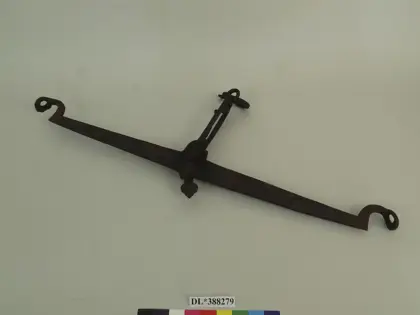 Beam Balance1780 - 1820
Surveyor's Vernier Compassabout 1785 · Philadelphia
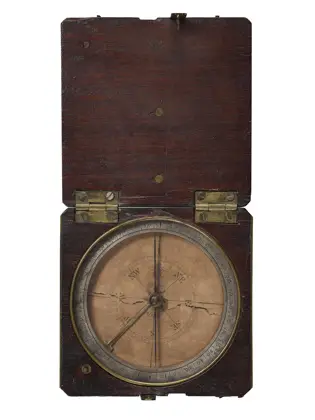 Pocket compass from the Lewis and Clark Expedition, 1804-1806about 1804 · Philadelphia
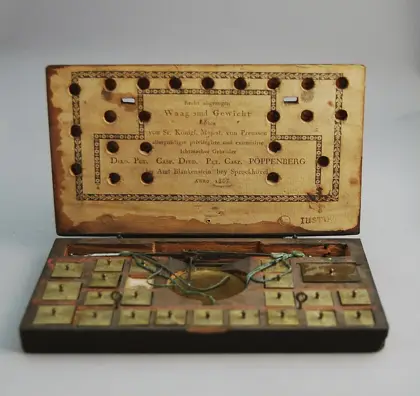 Balance1807
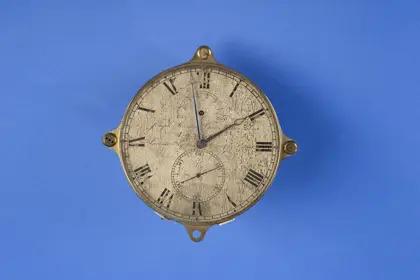 box chronometer movementc1810 · London
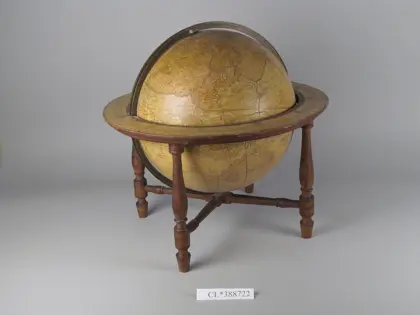 James Wilson's Terrestrial Globe, 18111811 · Vermont
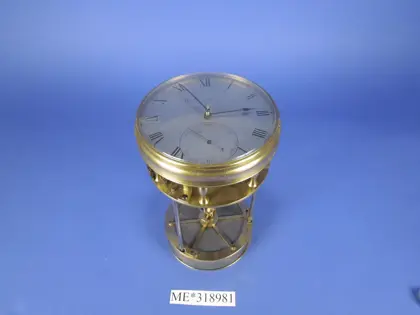 Bond Marine Chronometerabout 1812-1815 · Boston
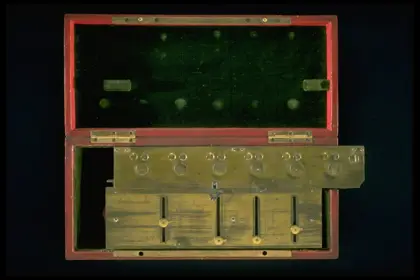 Thomas Arithmometerabout 1820 · Paris
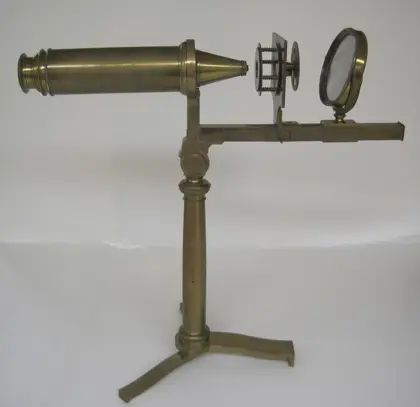 Microscope, Lerebours1829 · Paris
Hair Hygrometerabout 1829 · Paris
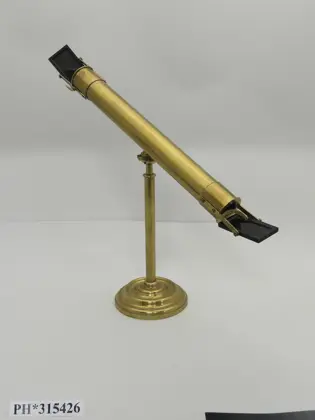 Polariscopearound 1830 · Paris
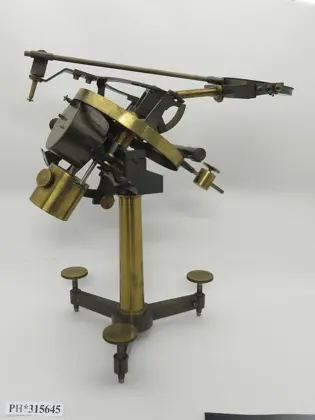 Heliostatabout 1830 · Paris
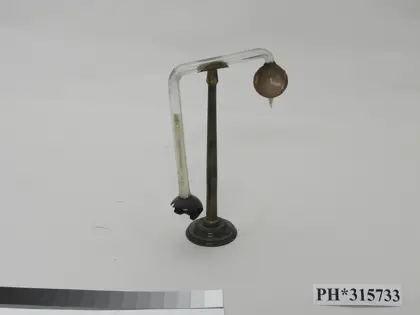 Daniell Hygrometerabout 1831-1844 · London
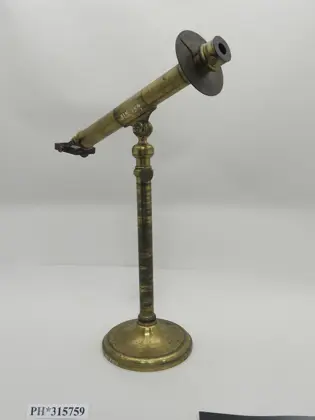 Polariscopeca. 1834-1844 · Paris
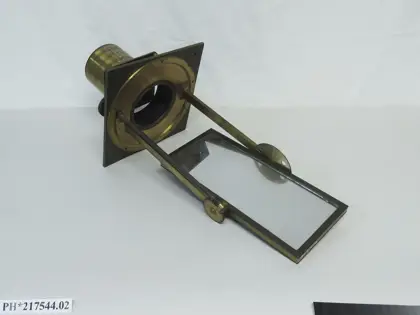 Solar Microscopeabout 1840
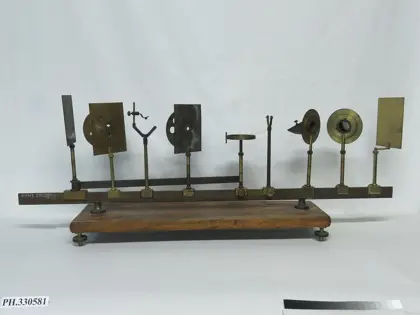 Melloni Benchearly 1840s · Département de Ville-de-Paris
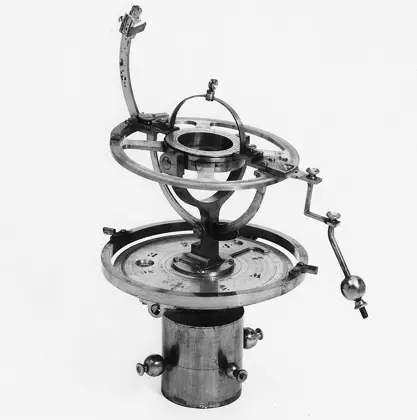 Solar Compass1840s · Cincinnati
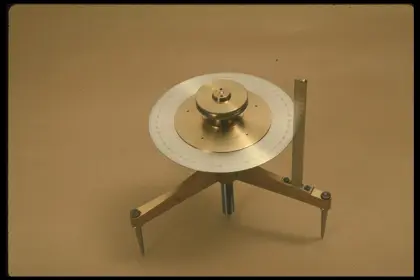 Grunow Spherometerafter 1849 · New York City
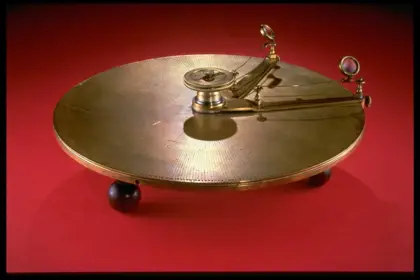 Patent Model for Circular Slide Rule Invented by John W. Nystrombefore 1851 · Philadelphia
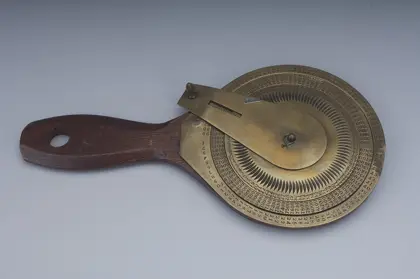 Hatfield Machine for Adding Numbers1854 · Lewisburg
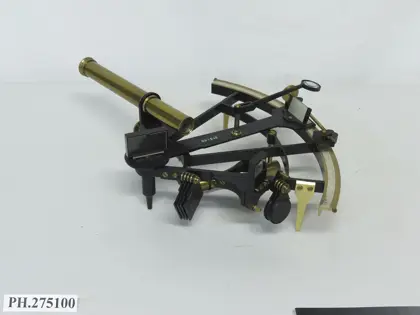 Sextant1856-1866 · New York City
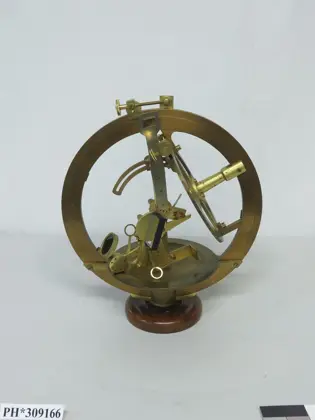 Equatorial Sextant1856
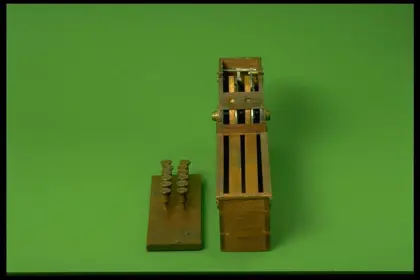 Hill Arithmometer1857 · Waltham
William W. Wythes Cyclo-Ellipto-Pantograph Patent Model1858 · Philadelphia
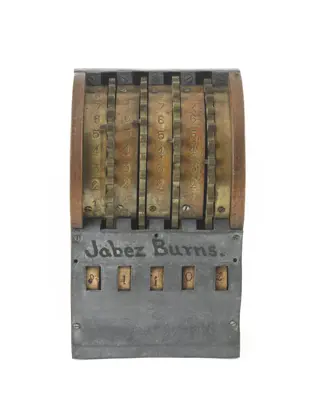 Burns Addometer1858 · New York City
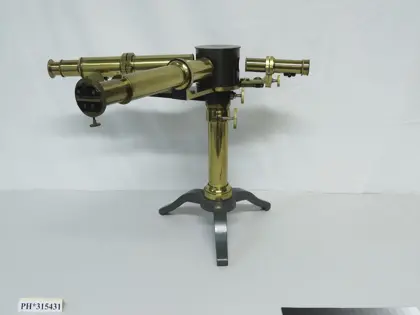 Spectroscopeearly 1860s · Paris
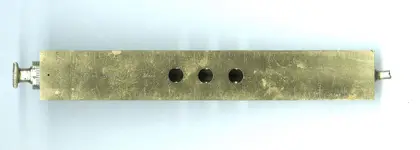 Patent Model for Triangular Drafting Scale Invented by Josiah Lyman1863 · Lenox
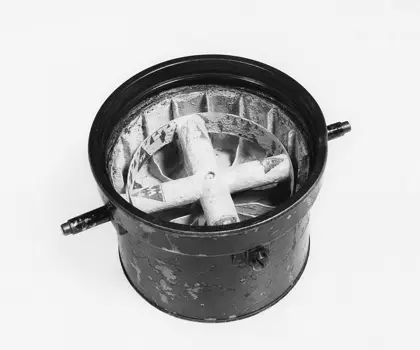 Liquid Compass1863 · Boston
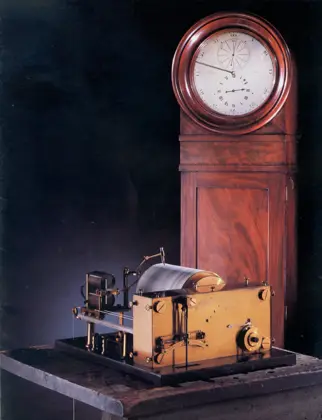 Chronographabout 1868 · Boston
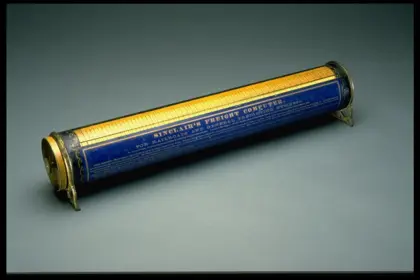 Rotating Mathematical Table, Sinclair's Freight Computer1869 · Waterville
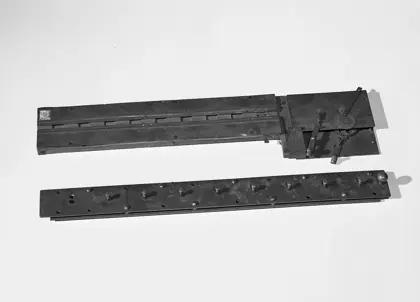 Barbour Calculating Machine Model1872 · Boston
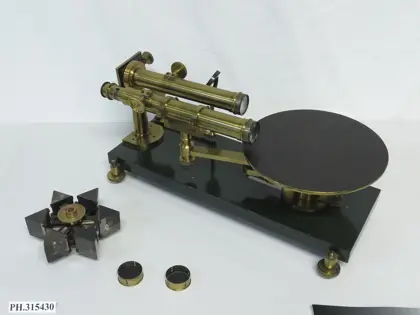 Spectroscope1873-1881 · New York City
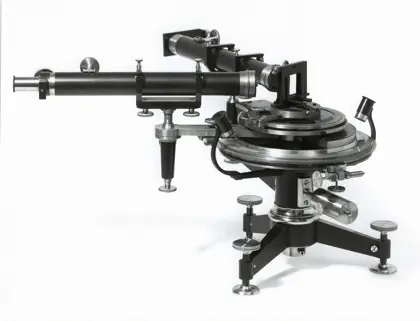 Spectrometer1873-1881 · New York City
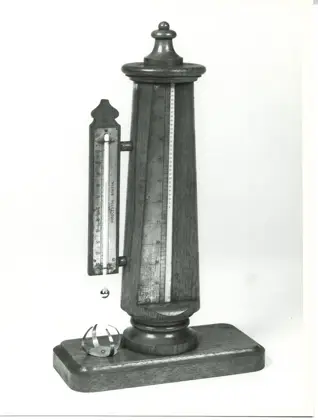 Winlock & Huddleston Psychrometer1873 · Boston
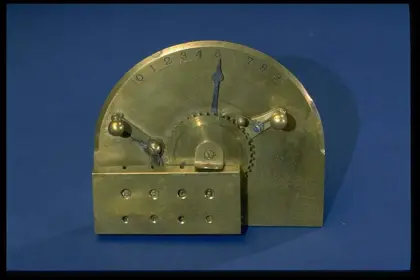 Baldwin Arithmometer1874 · Philadelphia
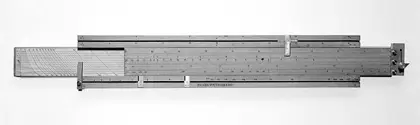 Patent Model for Estimator Slide Rule Invented by Fredric Maurice Stapff1874
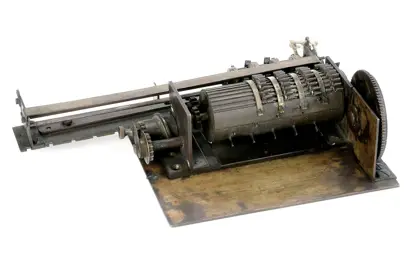 Barbour Calculating Machine1875 · Boston
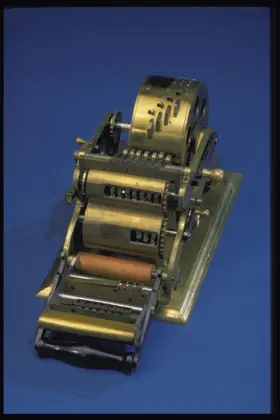 Baldwin Calculating Engine1875 · St. Louis
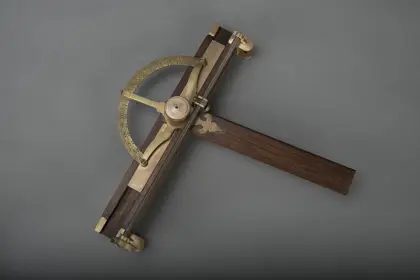 Patent Model for Parallel Rule and T-Square by Eugene Towne1877 · North Dana
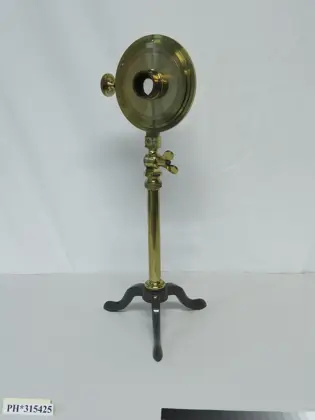 Jamin Apparatus1879-1882 · Paris
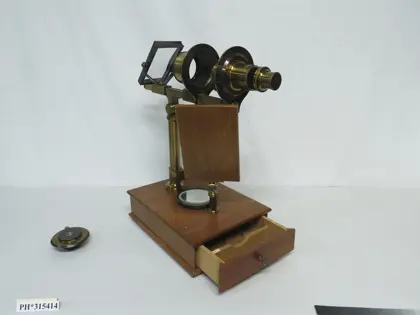 Projection Polariscopearound 1880 · Paris
Leyden Jar Batteryabout 1880
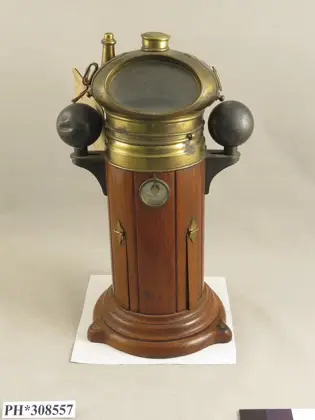 Dry Card Compass with Binnacle1880 · Glasgow
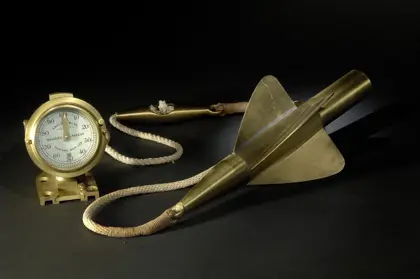 Log and Rotor, Patent Model1881
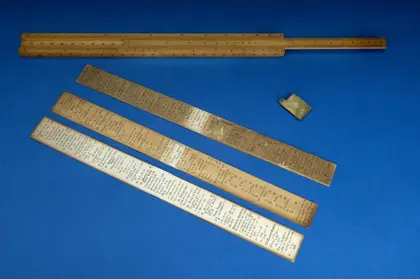 Patent Model for Simplex Slide Rule Clasp Invented by Rudolph C. Smith1887
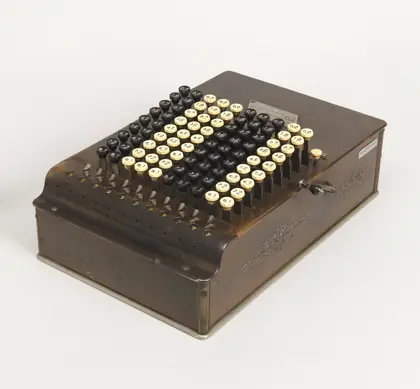 Comptometerca. 1887
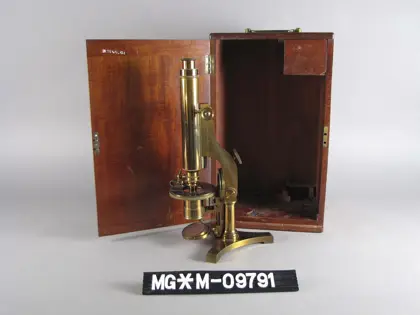 Microscopeabout 1890 · London
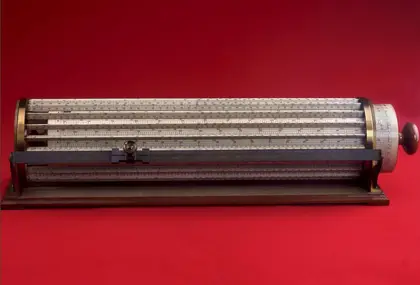 Keuffel & Esser 1741 Thacher Cylindrical Slide Rule1890s · New York City
Odhner Arithmometerabout 1896 · St. Petersburg
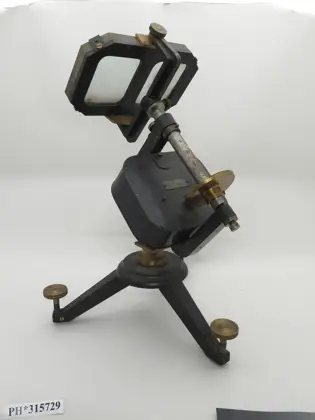 Heliostataround 1900 · Pittsburgh
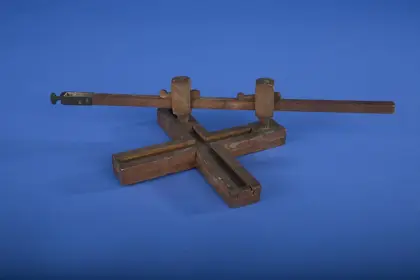 Elliptic Trammelabout 1900
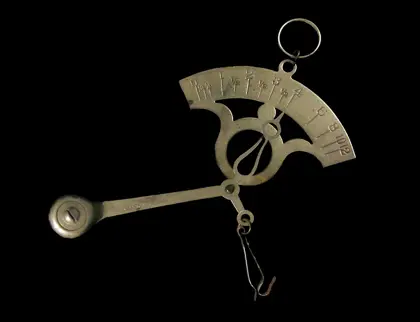 Peerless hanging letter scalec. 1900
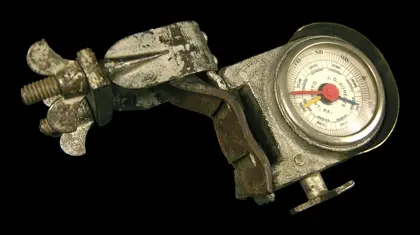 Odometer by J. D. Robertsc. 1900
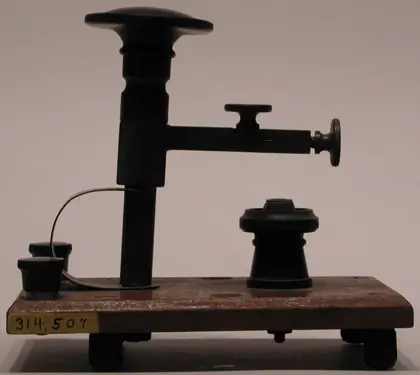 Fessenden electrolytic radio signal detector1903
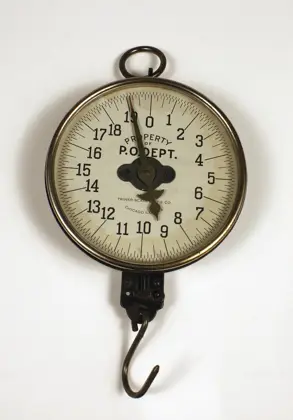 Triner postal scale1912-1926
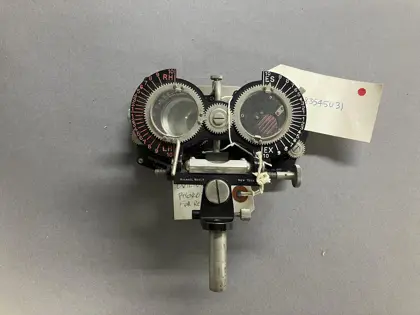 Ski-Optometer (Woolf Phoropter)1913-1917
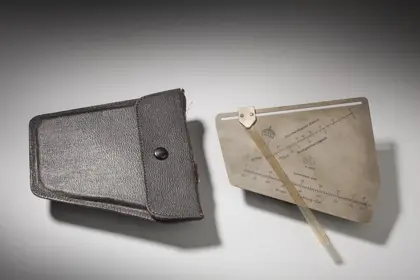 Plotter, Driftca. 1918
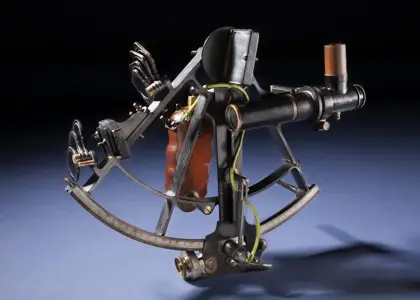 Sextant, Brandis, with Willson Bubble Telescope, Earlyca. 1919
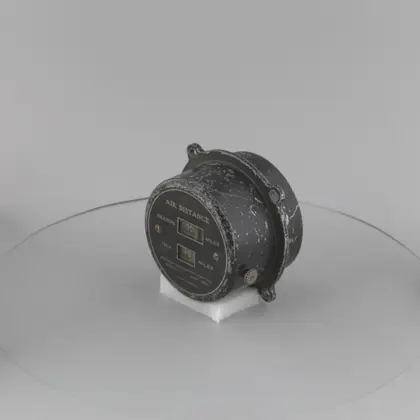 Recorder, Air Distanceca. 1922
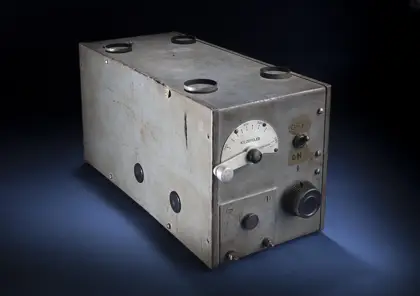 Receiver, Radio Range, ARC, Lab Prototype, Model B1929
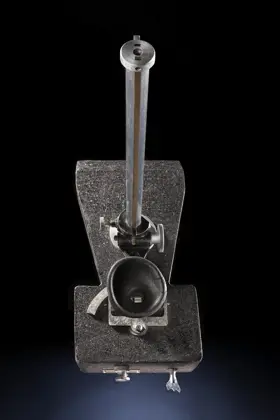 Sight, Drift & Ground Speed, Gattyca. 1931
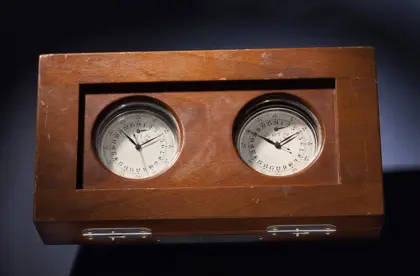 Watches, Army Air Corps, Avigation [Air Navigation], A-6ca. 1934
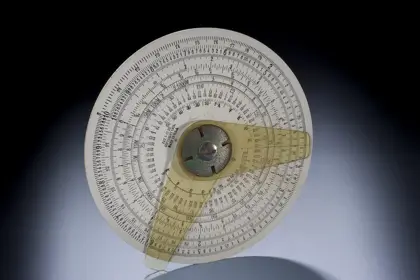 Circular Slide Rule, William J. Powell1935
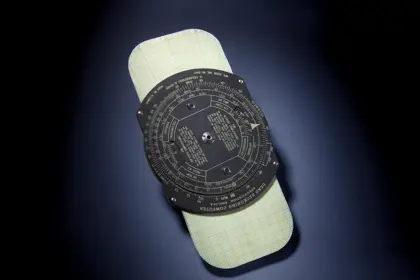 Dead Reckoning, E-6B, Prototype1942
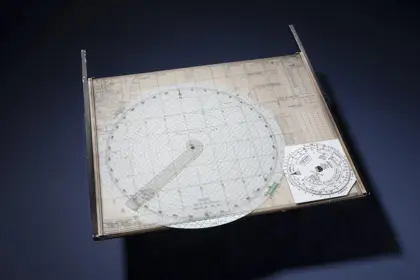 Plotting Board, Navy, Mark 3A1942
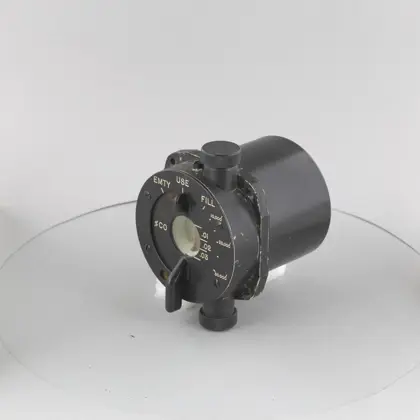 Indicator, Carbon Monoxide1943
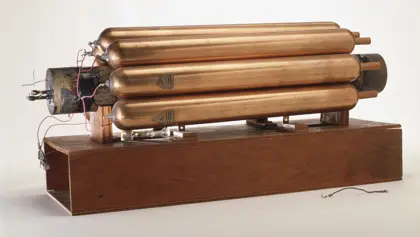 Libby Low Level Counter1950 · Cambridge
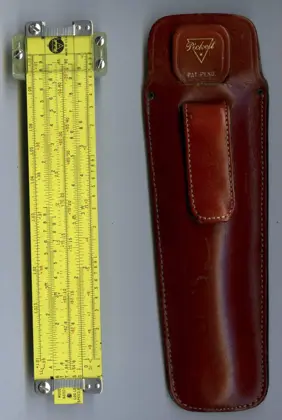 Pickett N600-ES Log Log Duplex Slide Ruleabout 1962 · Chicago
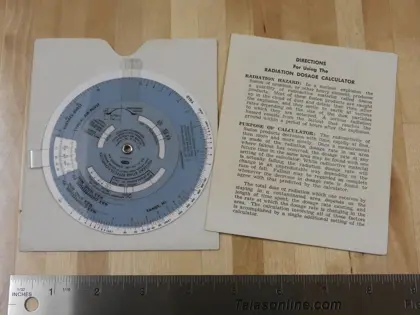 Civil Defense radiation dosage calculatorc. 1963
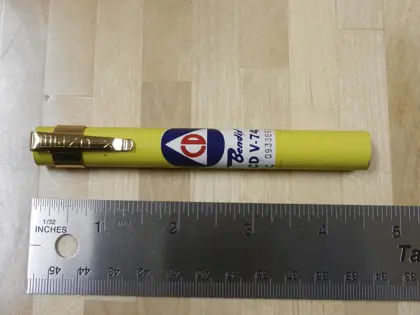 Civil Defense pocket dosimeterc. 1963
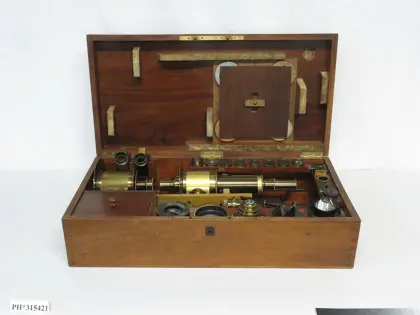 Projection Polariscopelate nineteenth century · Paris
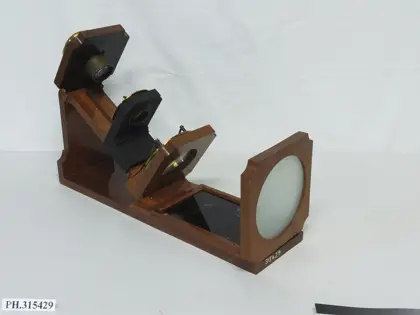 polariscopelate 19th century · Philadelphia
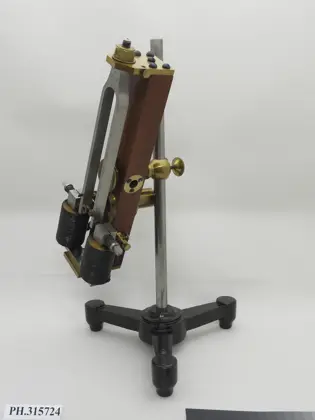 Vibration MicroscopeParis
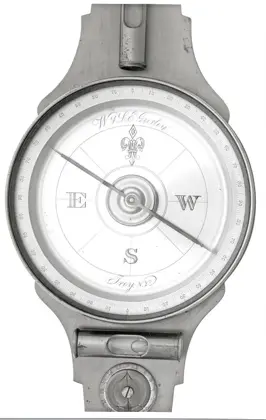 Surveyor's CompassTroy
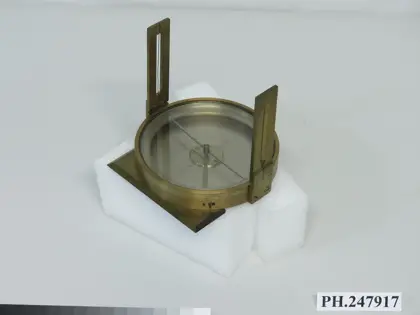 Surveyor's Vernier CompassTroy
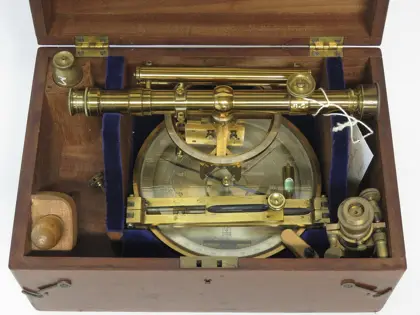 Vernier Compass with TelescopeTroy
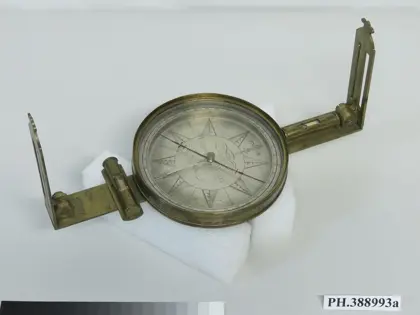 Surveyor's CompassWoodstock
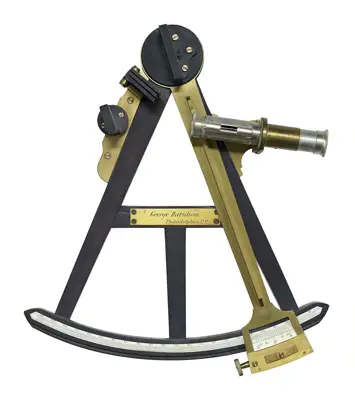 Octantmid 19th century · New York City
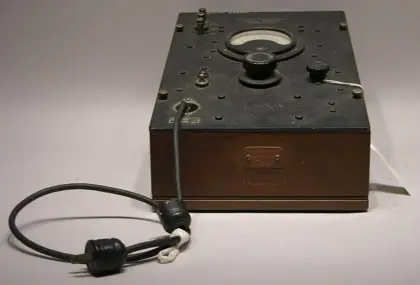 General Radio type 726-A vacuum tube voltmeter
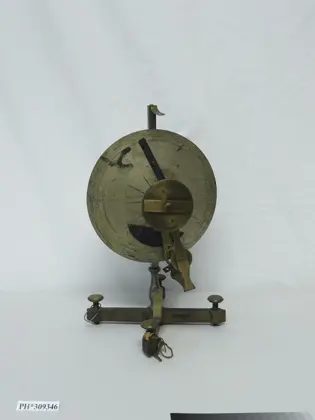 Terrasphere
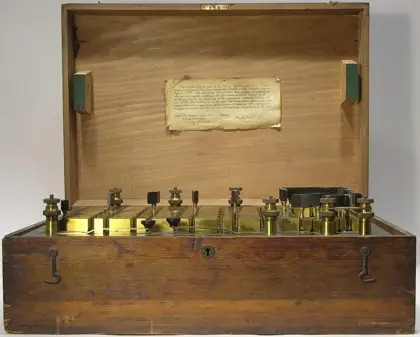 Wheastone Bridge
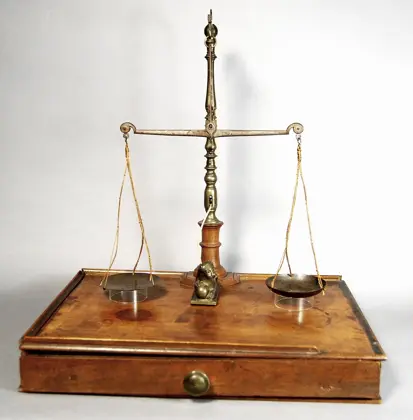 BalanceNuremberg
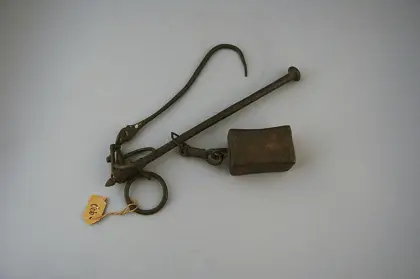 Steelyard17th century
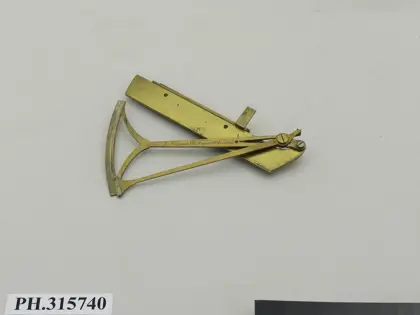 PyrometerLondon
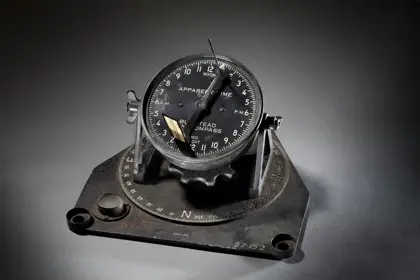 Sun Compass, Bumstead
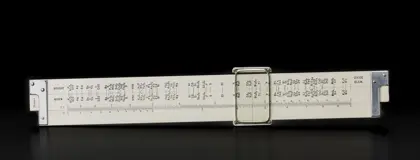 Slide Rule, Chemical, Sally Ride
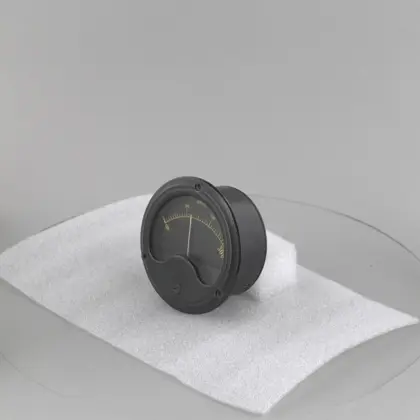 Voltmeter / Ammeter, E-1
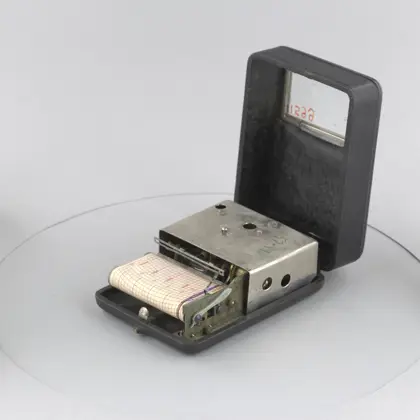 Barograph
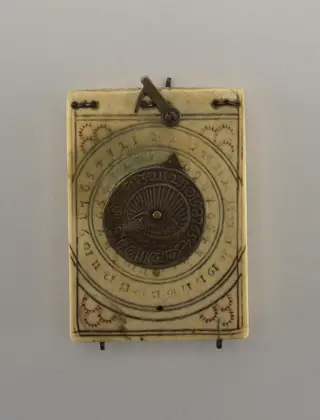 Sundial compasslate 17th–early 18th century
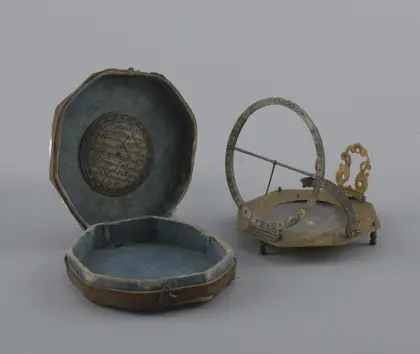 Traveling sundial and compassearly–mid-18th century
Trails through the collection
Calculating before computers
Gears, cranks, and sliding scales, from Paris in 1820 to a slide rule from 1962.
Finding your way
Compasses, a sextant, and a chronometer, including a compass from the Lewis and Clark Expedition.
Reading the sky
Astrolabes made over three centuries, from Italy to Isfahan and Lahore.
Paris and the science of light
Polariscopes, a spectroscope, and microscopes from Paris instrument makers.
Finding the way in the air
How navigators worked out where an airplane was, from 1918 to the Second World War.